As the first project within the V2X Cluster to reach its conclusion, EV4EU leaves valuable findings and recommendations that will help guide the next generation of smart charging initiatives, including ePowerMove.
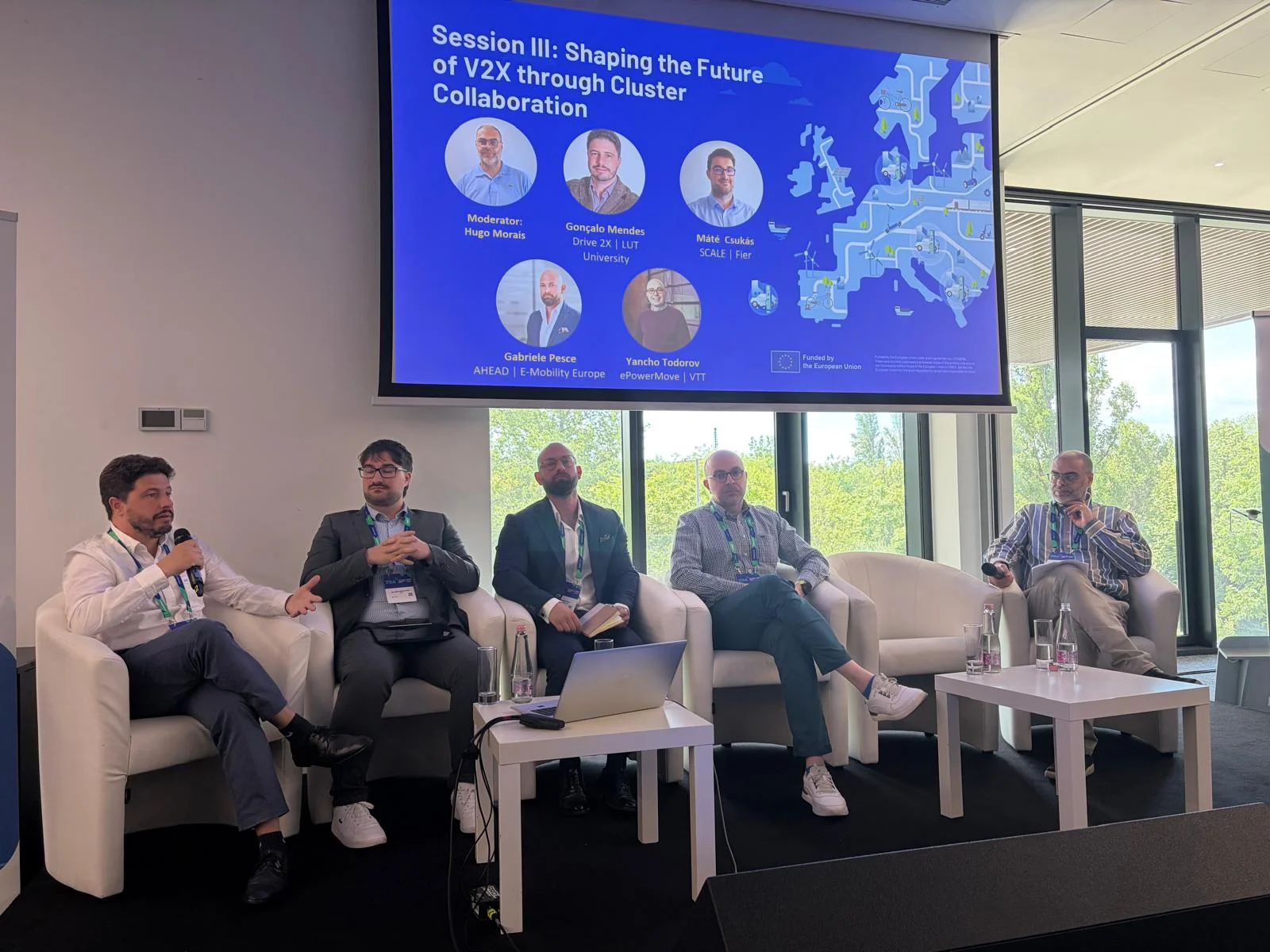
As part of the event programme, representatives from different V2X cluster projects (DriVe2X, SCALE, AHEAD and ePowerMove) joined a panel discussion to exchange perspectives on the current opportunities and challenges surrounding V2X deployment. ePowerMove was represented by Technical Coordinator Yancho Todorov (VTT).
A main discussion point, and one that keeps raising questions, was batteries. While bidirectional charging brings significant opportunities for grid flexibility, renewable energy integration and resilience, many concerns remain regarding battery degradation and long-term economic viability. These discussions are even more relevant in light of the new EU Battery Regulation in 2027, which will place stronger emphasis on battery sustainability, lifecycle management and transparency.
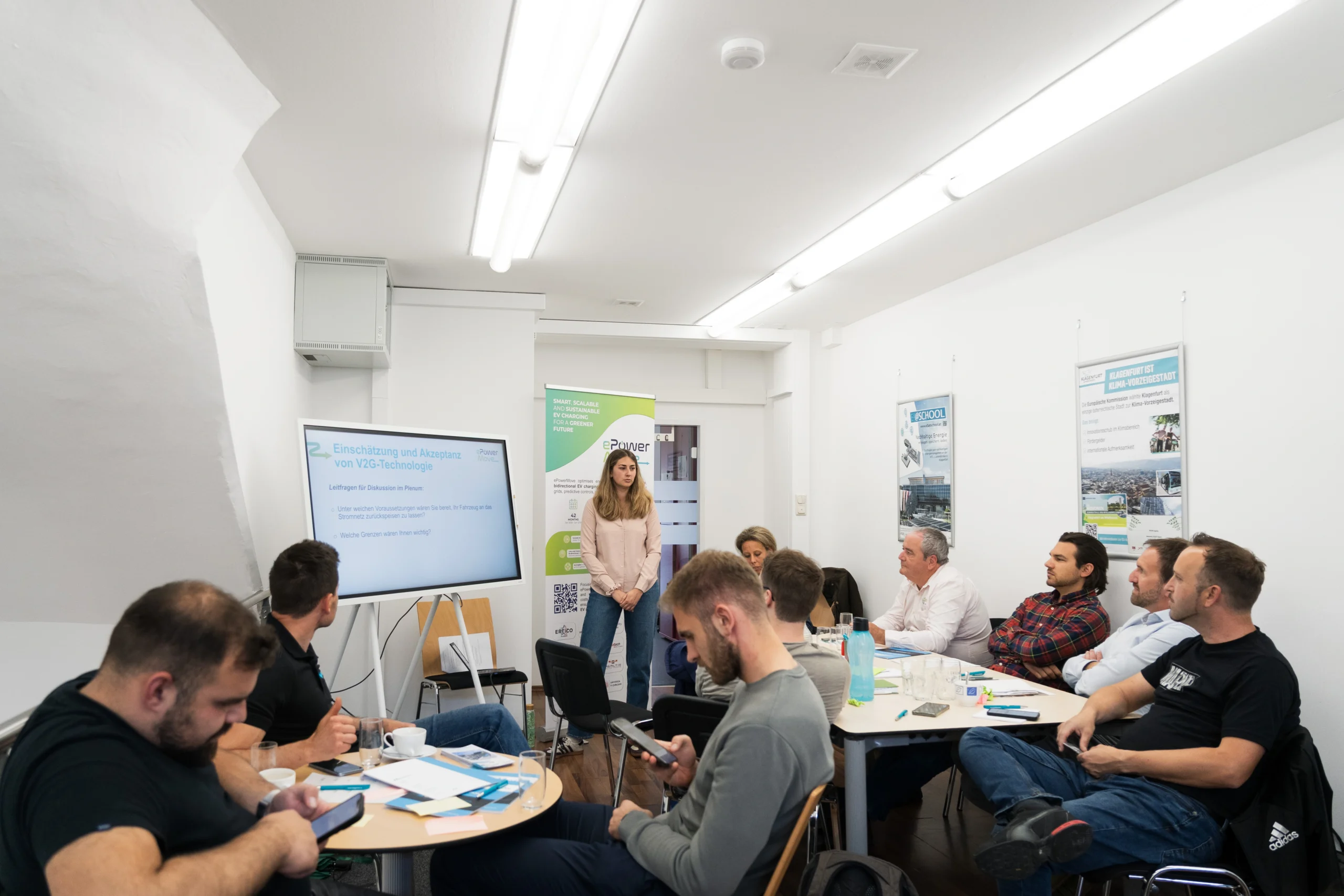
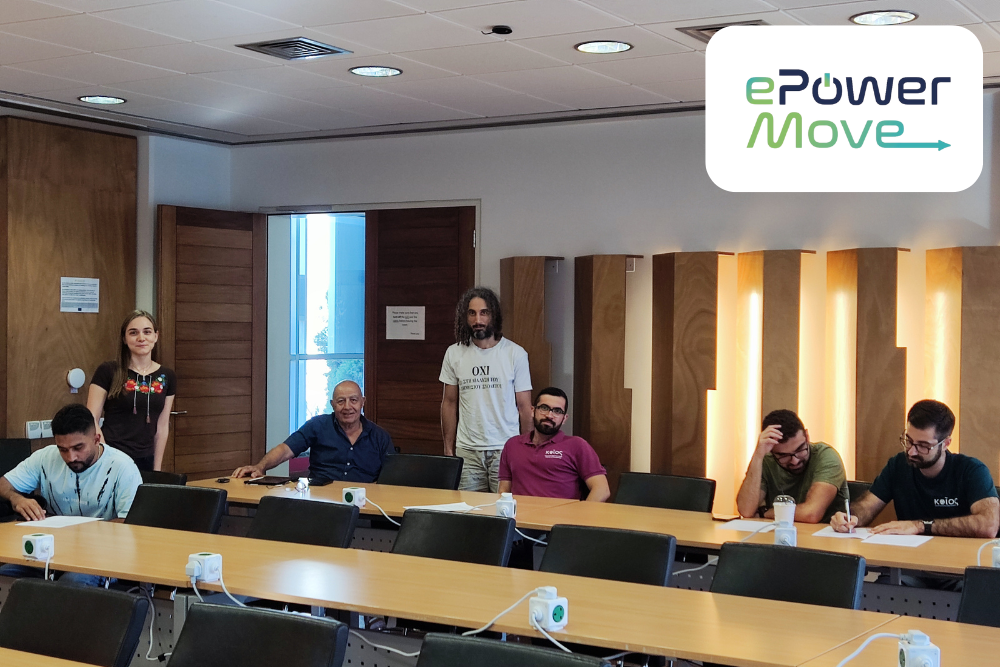
Another important topic addressed during the panel was the need to strengthen the user and societal dimension of V2X deployment. Beyond the technological aspects, large-scale adoption also depends on public acceptance. This is a central pillar of the ePowerMove project, which places strong emphasis on co-design activities, citizen engagement and understanding real user needs across its pilot sites in Helsinki, Klagenfurt and Nicosia.
During the discussion, Yancho Todorov also highlighted a relevant perspective within the V2X conversation: the strong potential of heavy-duty vehicles, and especially buses. While much of the current focus is placed on passenger cars, buses with large batteries can create new opportunities for energy flexibility and grid support, due to their specific operational schedules. Thus, with public transport, V2X technologies could help bridge mobility services and energy systems.
The panel also explored future policy frameworks. In this context, ePowerMove also contributes actively to the wider V2X Cluster collaboration by coordinating the Policy and Regulation Working Group. Through this role, the project supports discussions on regulatory barriers, standardisation needs and policy recommendations that can facilitate the future rollout of user-centric V2X solutions across Europe.
As Europe continues to transition towards electrified mobility, the collaboration showcased under the V2X cluster is essential for these technologies to become scalable and mass deployed.