To ensure that the next generation of electric vehicle (EV) charging infrastructure is not only smart and efficient but also inclusive and accessible, listening to users is essential. That’s why the ePowerMove consortium places co-design and user engagement at the heart of its work.
Deliverable D1.1 “Baseline User Demands and Results from Co-Designing”, led by VTT Technical Research Centre of Finland in collaboration with the pilot site partners in Helsinki, Klagenfurt, and Nicosia, marks a major step in understanding how people across Europe experience and expect EV charging to evolve.
Why co-design matters
Smart and bidirectional charging technologies promise to reshape the relationship between vehicles, users, and the energy grid. But technology alone cannot drive change. It must respond to the real needs, preferences, and constraints of users.
By involving citizens directly in the design process, ePowerMove ensures that its solutions, such as low-cost AC chargers and user-friendly applications, are rooted in how people actually live, move, and charge.
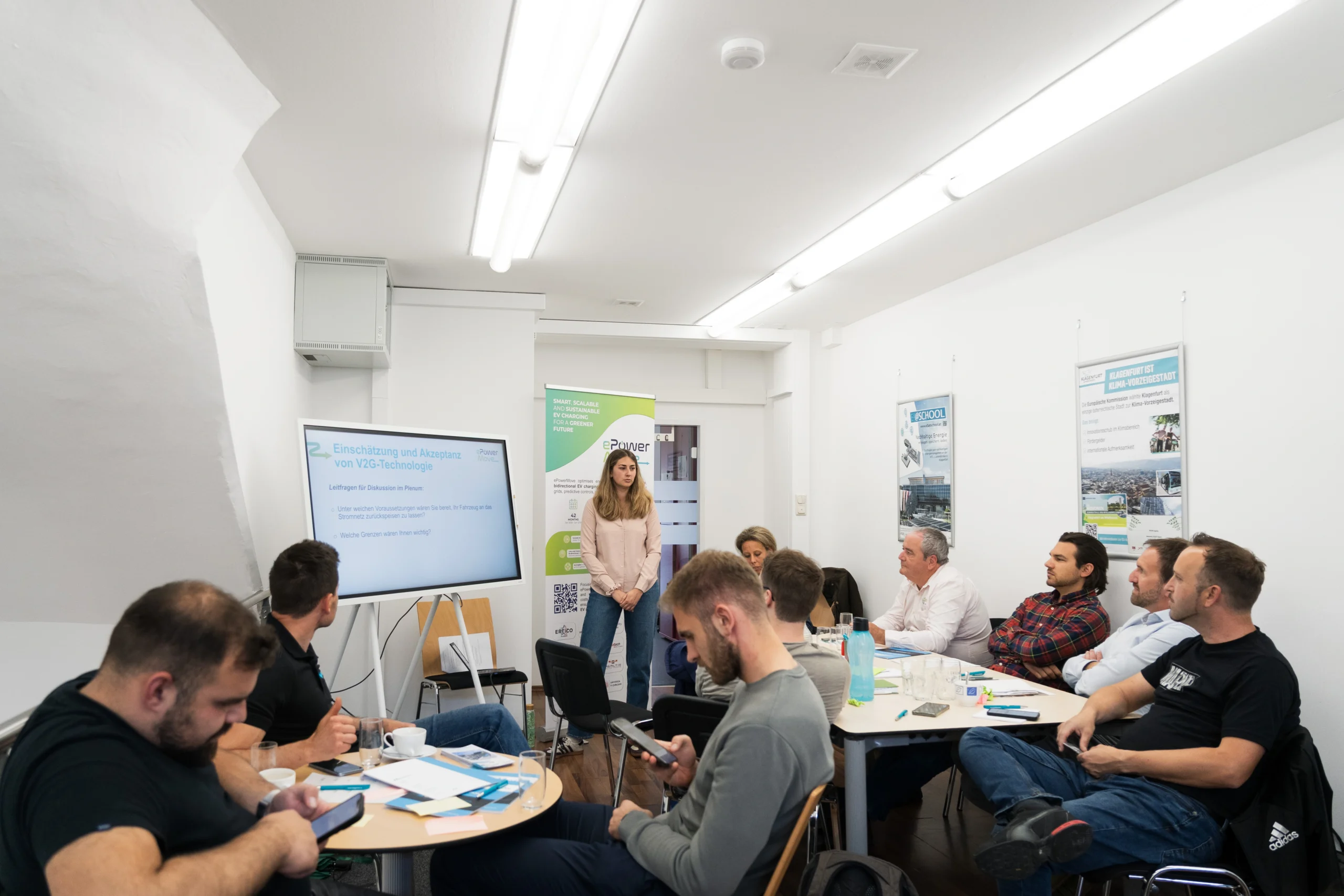
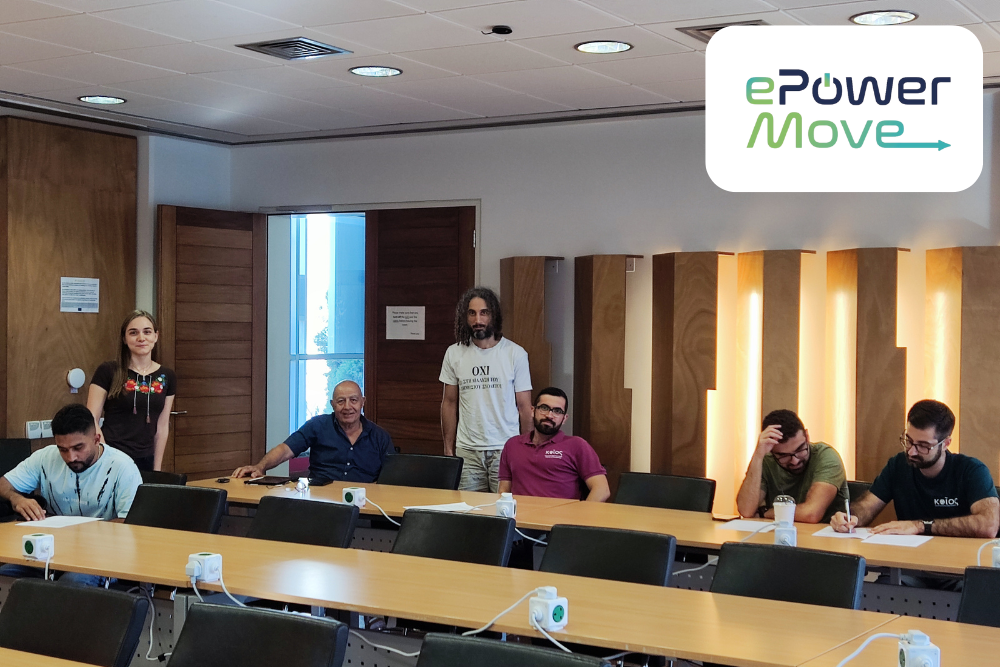
The co-design process, carried out in spring 2025, engaged participants from diverse backgrounds: current EV owners, potential buyers, car-sharing users, residents with limited mobility, and others representing a variety of household and mobility situations. Discussions explored daily driving habits, payment preferences, accessibility barriers, and awareness of Vehicle-to-Grid (V2G) technology.
A collaborative and inclusive process
Recruitment and engagement took place across the three pilot sites using local communication channels such as city newsletters, associations, and online invitations. All sites successfully conducted workshops and interviews, both in-person and online.
Notably, in Helsinki, the team collaborated with the Finnish Association for People with Disabilities to ensure that accessibility needs were integrated early into the charger design process. Feedback from participants directly influenced aspects such as charger height, user interface, lighting, and overall usability.
Across the three sites, the discussions revealed a range of insights, from the importance of reliable payment options to concerns about parking availability and information transparency in charging apps.
One of the key achievements of D1.1 was transforming this raw user feedback into structured User Requirements under four categories:
- Technical Requirements
- Infrastructure Requirements
- Functional Requirements
- Application Requirements
Laying the foundation for the next steps
The findings of D1.1 provide a crucial baseline for future project activities, including D1.3 End User Requirements and the development of physical charger prototypes within Work Package 2.
The insights also underline a broader truth: the success of e-mobility depends on people’s trust, comfort, and participation. As ePowerMove continues to refine its designs and prepare pilot deployments in Helsinki, Klagenfurt, and Nicosia, the project remains committed to ensuring that its solutions reflect the diversity of Europe’s urban and social landscapes.
By bringing together technology developers, city partners, and citizens, ePowerMove is setting the stage for smarter, fairer, and more inclusive EV charging systems across Europe.