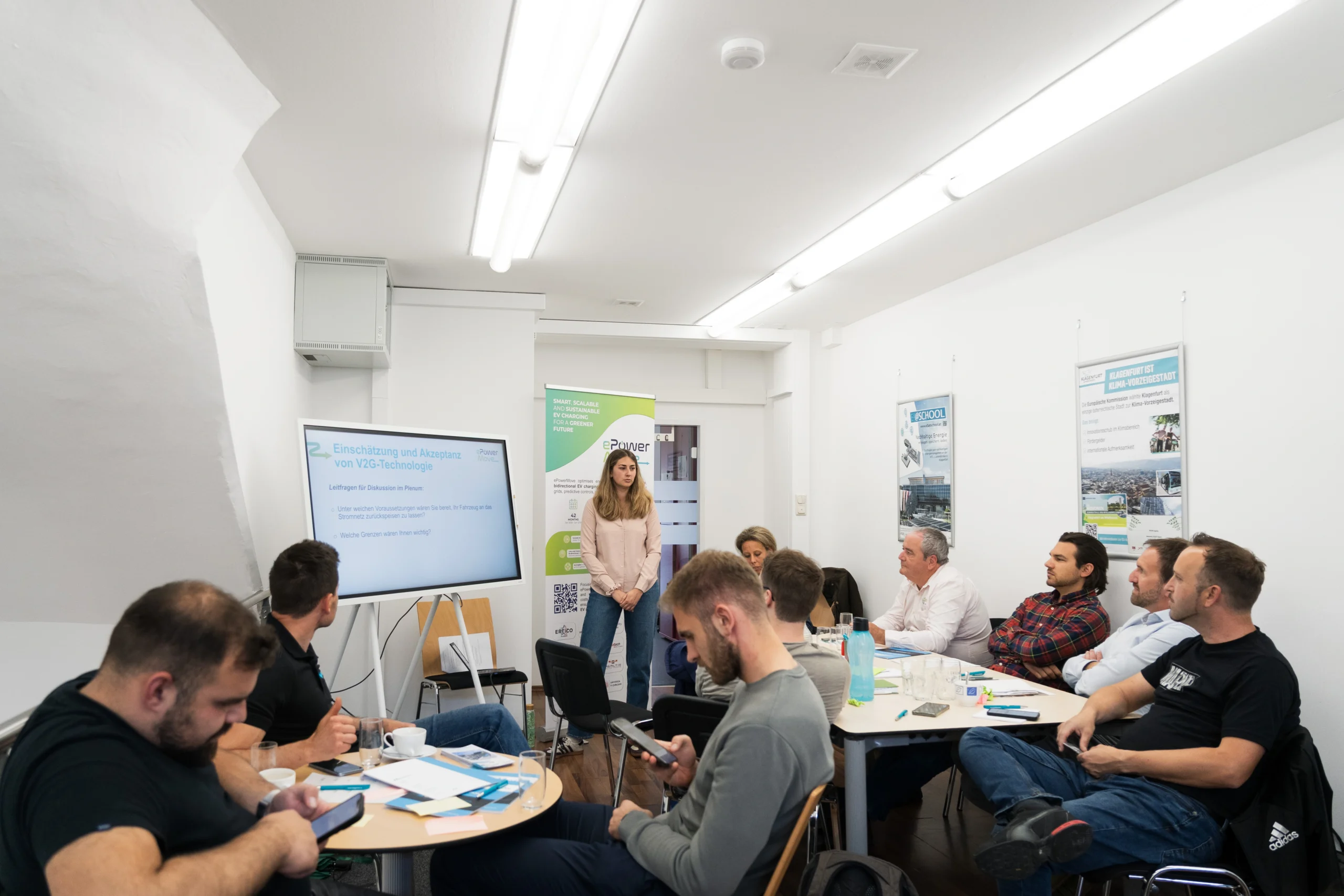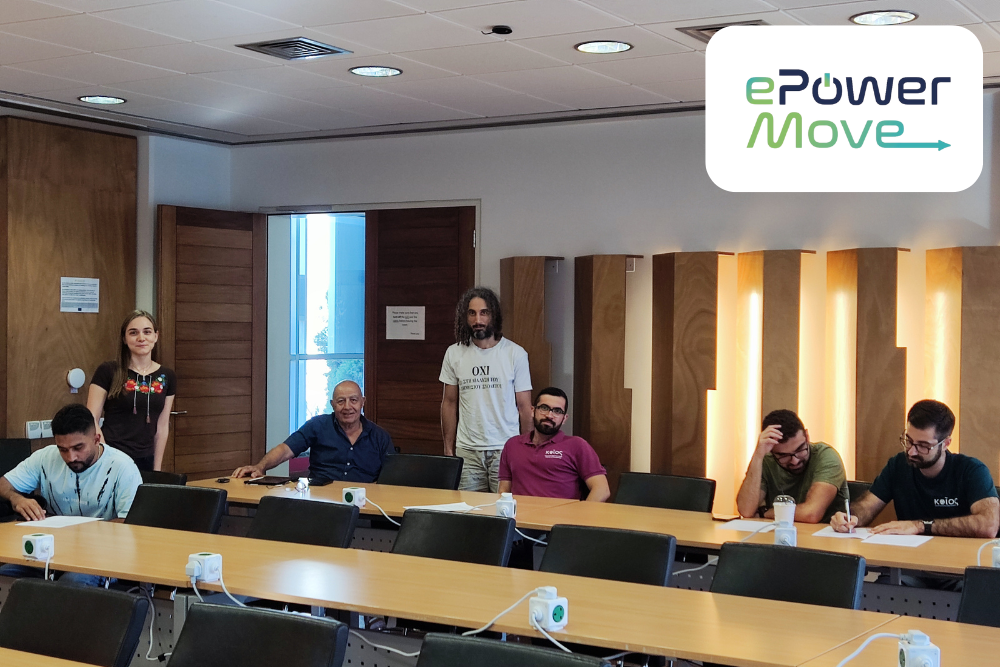
Over a year since its launch in January 2025, the ePowerMove project has made significant progress in understanding users’ needs and how they perceive, experience and interact with EV charging. Extensive research, combining literature, lessons from other EU projects and local insights from pilot sites and co-design workshops, will help us align with real behaviours, expectations and everyday needs.
What matters most to users?
Across all pilot sites, several common concerns and expectations emerged. Users are particularly interested in the financial benefits and flexibility that bidirectional charging can offer. However, there are still important barriers to overcome. Concerns around battery health, lack of clear and transparent information, limited charging infrastructure, and uncertainty around costs and taxation influence user acceptance. They expect solutions that are simple, reliable, and seamless, with clear incentives and full control over how their vehicle and energy are used.
From insights to design
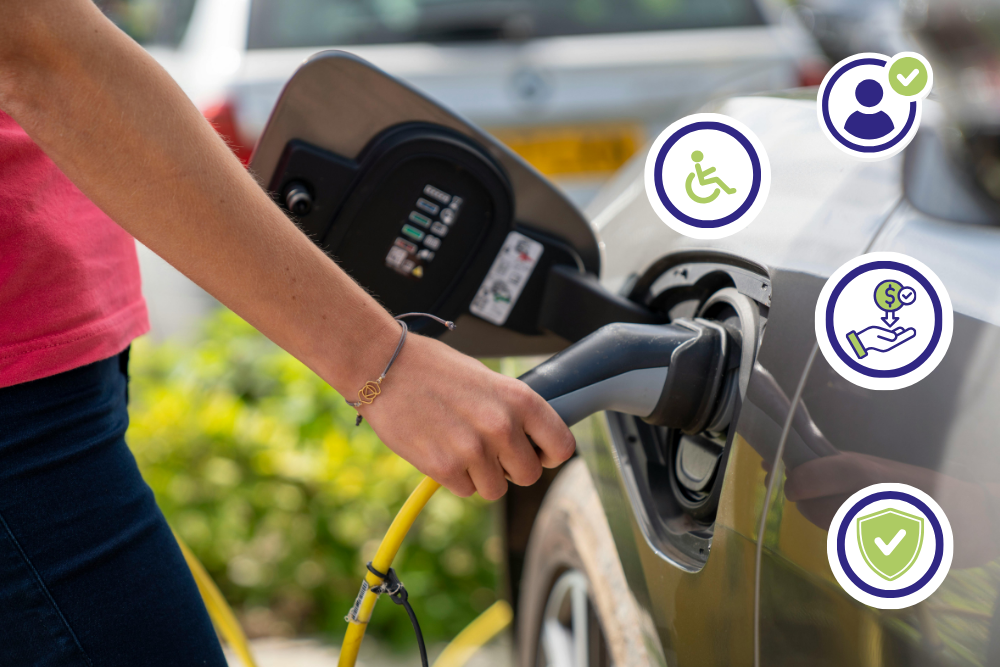
These findings are shaping the design of ePowerMove solutions, that considers accessibility needs, gender perspectives, and the experiences of users with limited mobility.
As a result, the project will consider:
- Accessible and easy-to-use charging station design, with clear interfaces and intuitive interaction
- Urban environments and climate conditions, such as visibility, lighting, and placement
- Inclusive features like clear icons, readable displays, and supportive design elements
Overnight and residential charging are critical for smart, grid-friendly solutions. Users, however, face challenges with cost, availability, convenience, and trust. ePowerMove explores solutions such as:
- Incentives for off-peak and overnight charging
- Expanding slow charging access in residential areas
- Better integration with renewable energy
- Simplified payment and interoperability
The goal is simple: make EV charging not only functional, but comfortable, safe, and accessible for everyone.
All findings are detailed in Deliverable 1.3.
These insights are now guiding the design of ePowerMove’s charging solutions, which will soon be put to the test in the project’s pilot sites in Helsinki, Klagenfurt, and Nicosia, providing a real-world validation of how user-centred V2G charging can work in practice.